

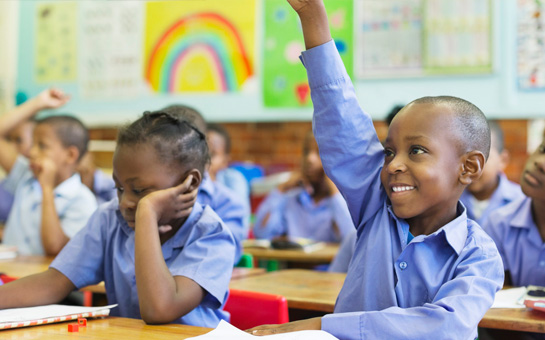
Education in Ghana; everything you need to know
At Class At Home—a proud Blossom Kids Project—we believe that every child deserves a learning experience tailored to their unique pace and personality. As Ghana’s No. 1 homeschool and online learning service, we have spent years bridging the gap between traditional schooling and the flexible, modern needs of the Ghanaian family.
CHECK THIS OUT: FREE DELIVERY WITHIN ACCRA – GET YOUR HOMESCHOOL SUPPLIES IN ONE PLACE. SHOP NOW!
What is Education?
According to Wikipedia, education is the process of encouraging learning or gaining knowledge, skills, values, morals, beliefs, and habits. It could take the form of teaching, storytelling, or simple discussions. In very underdeveloped cultures, there are no schools or formal education systems. Instead, every adult is a “teacher” who shows the younger ones the way things are done in society and the younger ones learn by watching what the adults do.
History of Education
Education doesn’t always have to be in a formal setting with one person making knowledge available to another, even though that has been the conventional style of education for at least three centuries.
In the Ancient African world
As said earlier, before formal education was introduced, education was mainly a way of teaching younger children the skills, qualities, and knowledge they needed to be able to fit into their society. So children were taught hard work by going to the farm with their parents(in the African setting). Girls were taught to cook and take care of the home by helping their mothers in the kitchen and taking care of their younger siblings. They learned to be good wives and mothers by helping their own mothers.
Boys learned a trade, usually the trade that their fathers were involved in. Such trade could be hunting, carpentry, fishing, or palm wine tapping. All of these ensured the continuity of society as traditions were passed down from generation to generation. Family and society were the most important things, and education preserved them.
CHECK THIS OUT: GET FUN ITEMS THAT TAKE YOUR CHILDREN OFF THE SCREENS. RIGHT HERE IN GHANA. FREE DELIVERY!
In Today’s world
In our world today, however, we live in completely different times. Education is now a right for every child. And not just education, but formal education in a classroom with teaching materials and an organised curriculum. The fact that the world has become a global village makes it necessary and crucial for every child to be educated at a certain world standard if that child is to be equipped to be active on a global level.
The purpose of education today is not just to make a child have the skills to get food for the family or to become a good wife and mother. It is way beyond that. More stages have been created for people to compete on: more intellectually demanding jobs to be done, and more challenging feats to aspire to. There are now several levels of education for everyone to attain, whether they are male or female.
Studies and mere observation have shown that there has been a great expansion in education in the last two hundred years. This can be seen across all quantity measures. Global literacy rates have been rising over the course of the last two hundred years, mainly through more enrollment in primary education. The number of people who continue to have secondary and tertiary education has also increased drastically, to say it modestly.
Sadly, however, a large number of children in Sub-Saharan Africa still do not have access to good education even today. The video below should show you what this looks like.
Some Trends in Education in Ghana
Unlike the traditional method of education(family and community education), modern education in Ghana is ordered, as it is the world over. There’s the basic education that runs for thirteen years. It comprises
Nursery 1&2
KG 1&2
Primary 1-6
JHS 1-3
CHECK THIS OUT: NO TIME FOR SHOPPING? GET LEARNING MATERIALS DELIVERED TO ANY PART OF GHANA. FREE DELIVERY WITHIN ACCRA. SHOP NOW!
Then there’s the Senior High School(SHS) system. SHS used to be four years long, but in 2009, it was reduced to three years. Then there’s tertiary education, which could be acquired at a university, a training college, or a polytechnic, which is now known as a Technical University.
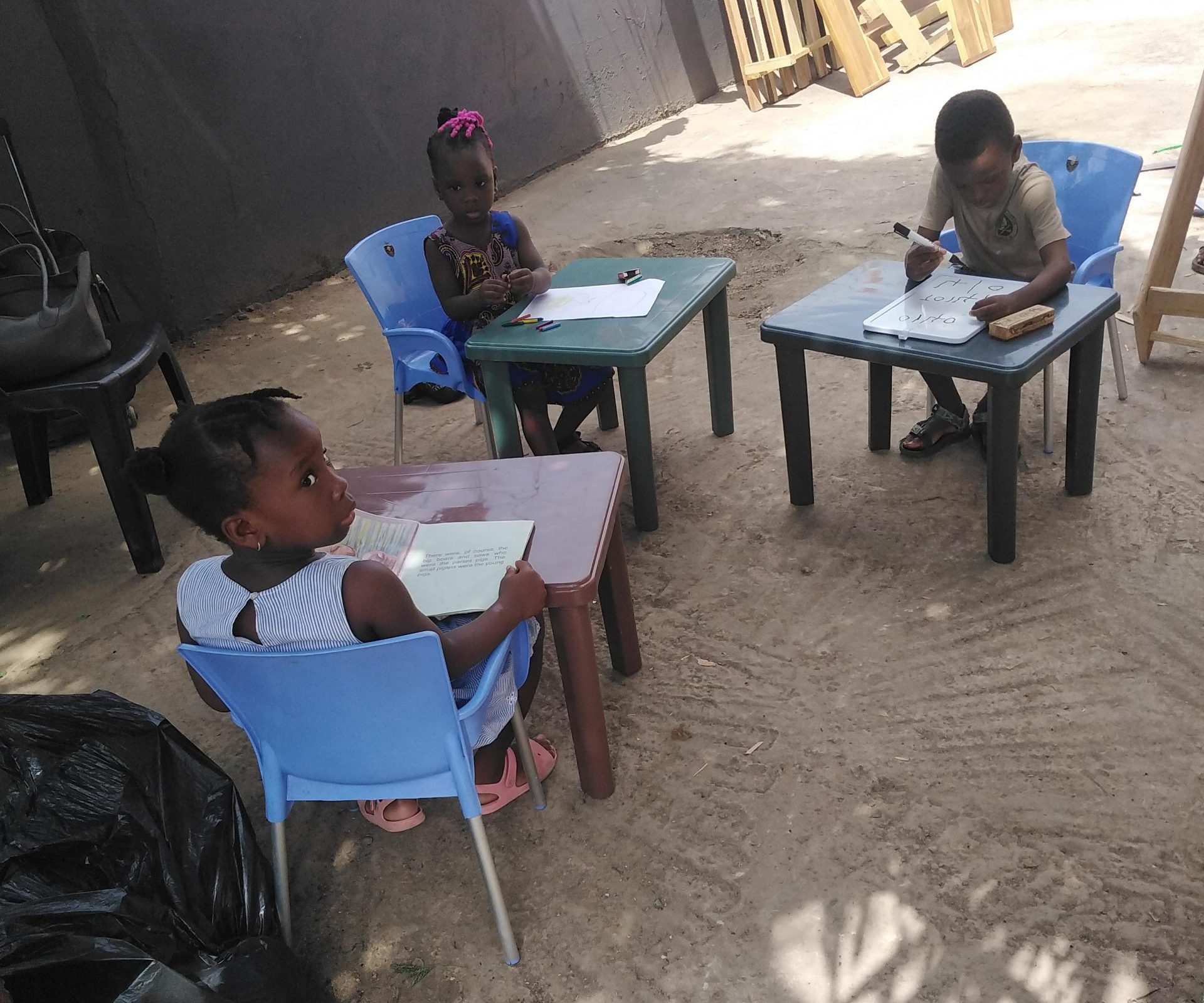
Children homeschooling in Africa
Homeschooling in Ghana
Homeschooling is a very new trend that is rising in the country. The COVID-19 pandemic caused many parents to think of ways to keep their children busy at home without losing all the knowledge they had acquired in the school year, especially the very young children. Homeschooling became an option for parents and guardians.
It’s an exciting new world for parents to get into. Parents can even homeschool their children up to pre-university level! We have many blogs about homeschooling. Find out all about homeschooling here and here.
The latest news about education in the country is concerning the free SHS agenda, which was promised by the Nana Akuffo-Addo government. Due to the struggles brought about by the pandemic, the promised free Senior High School education may or may not continue as planned. For more information, you can read also.
Take the first step toward a stress-free education today:
-
Visit us: classathome.co
-
Call us directly: 0541317724
-
WhatsApp us: Click here to chat with us on 0541317724
Join the community of families who have discovered that with the right support, learning knows no bounds!
Here’s a video for those of you interested in having a look at just a tiny piece of the current state of literacy in the country.
We hope you had a good read. Comment your questions and suggestions below! We’d love to hear from you.



 English
 Afrikaans
 Albanian
 Amharic
 Arabic
 Armenian
 Azerbaijani
 Basque
 Belarusian
 Bengali
 Bosnian
 Bulgarian
 Catalan
 Cebuano
 Chichewa
 Chinese (Simplified)
 Chinese (Traditional)
 Corsican
 Croatian
 Czech
Czech Danish
 Dutch
Dutch Esperanto
 Estonian
 Filipino
 Finnish
 French
 Frisian
 Galician
 Georgian
 German
 Greek
Greek Gujarati
 Haitian Creole
 Hausa
Hausa Hawaiian
 Hebrew
 Hindi
Hindi Hmong
Hmong Hungarian
 Icelandic
 Igbo
Igbo Indonesian
 Irish
Irish Italian
 Japanese
 Javanese
 Kannada
 Kazakh
 Khmer
Khmer Korean
 Kurdish (Kurmanji)
 Kyrgyz
 Lao
Lao Latin
Latin Latvian
 Lithuanian
 Luxembourgish
 Macedonian
 Malagasy
 Malay
Malay Malayalam
 Maltese
 Maori
Maori Marathi
 Mongolian
 Myanmar (Burmese)
 Nepali
 Norwegian
 Pashto
 Persian
 Polish
 Portuguese
 Punjabi
 Romanian
 Russian
 Samoan
 Scottish Gaelic
 Serbian
 Sesotho
 Shona
Shona Sindhi
 Sinhala
 Slovak
 Slovenian
 Somali
 Spanish
 Sudanese
 Swahili
 Swedish
 Tajik
Tajik Tamil
Tamil Telugu
 Thai
Thai Turkish
 Ukrainian
 Urdu
Urdu Uzbek
Uzbek Vietnamese
 Welsh
Welsh Xhosa
Xhosa Yiddish
 Yoruba
 Zulu
Zulu