

Preparing for Kindergarten: How Preschool Sets the Stage for Future Success
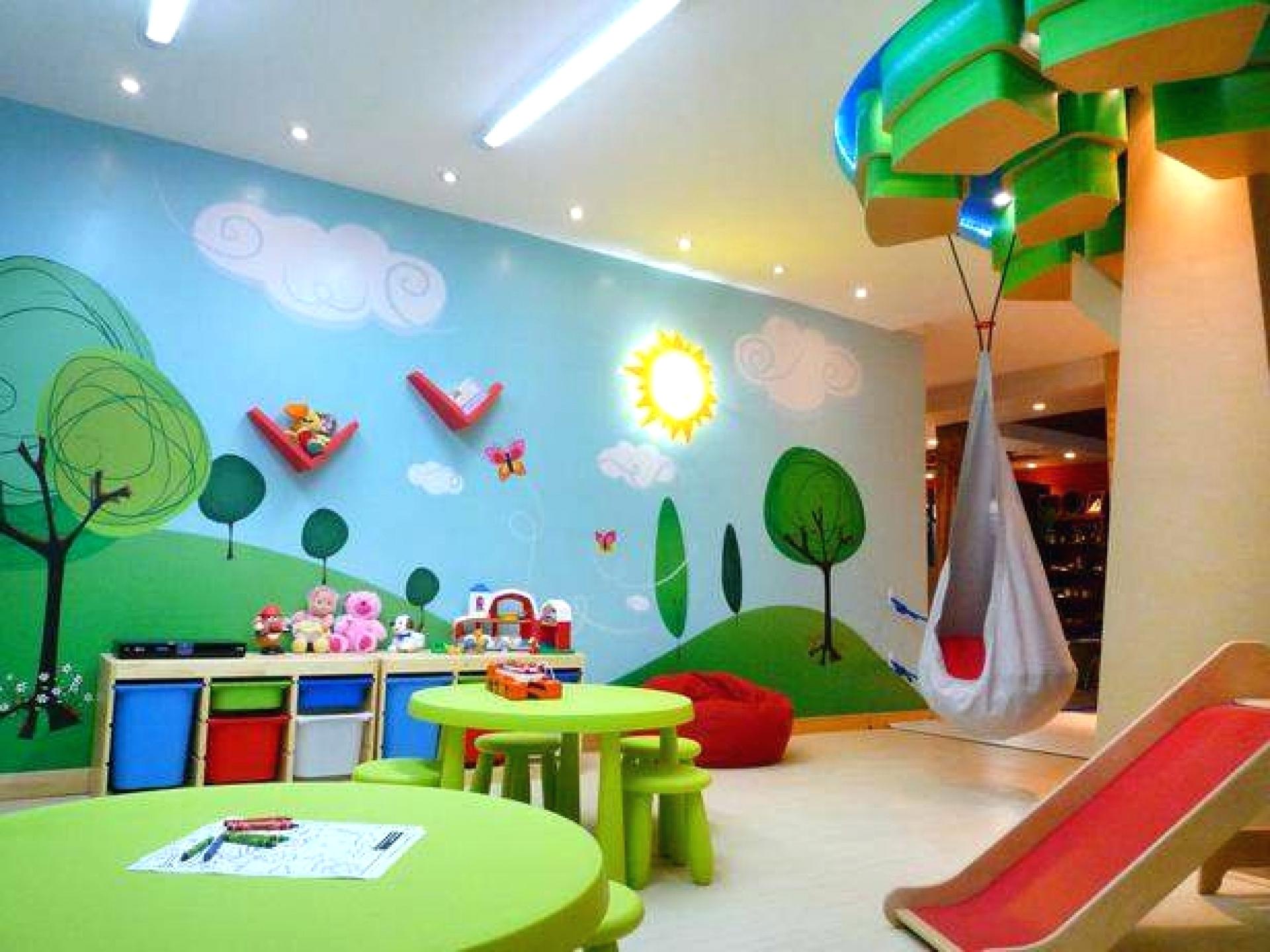
Preparing for kindergarten in the first few years of a child’s life are crucial for their development. As they grow, they begin to learn and explore the world around them, and it is during these early years that they develop the foundation for their future learning and success. Preschool is a valuable tool for parents to help their children prepare for kindergarten and set the stage for future academic success. In this article, we will discuss the benefits of preschool, how to choose the right preschool for your child, and what you can do at home to supplement your child’s learning.
READ ALSO: Blossom Homeschool Centers in Ghana
Preparing for kindergarten.
Preschool, also known as pre-kindergarten or pre-K, is an early childhood education program for children between the ages of 3 and 5 years old. Preschool provides a structured learning environment that helps children develop social, emotional, and academic skills that will prepare them for kindergarten and beyond.
The Benefits of Preschool
Develop Social and Emotional Skills
Preschool is an excellent opportunity for children to develop social and emotional skills. They learn how to interact with other children, share, take turns, and resolve conflicts. This experience is essential in helping children develop strong relationships and build the social and emotional foundation needed for future success.
Academic Preparation
Preschool programs are designed to provide children with the academic skills they need to be successful in kindergarten and beyond. They learn basic literacy and math skills, such as letter recognition, counting, and problem-solving. They also develop fine motor skills through activities such as drawing, painting, and cutting.
READ ALSO: Meaning for preschool
Improved Self-Confidence
As children learn new skills and make new friends, they develop a sense of self-confidence that can carry over into their future academic and personal lives. Preschool helps children build a sense of self-worth and encourages them to take risks and try new things.
Exposure to Diversity
Preschool provides children with the opportunity to interact with children from different backgrounds, cultures, and experiences. This exposure helps them learn to appreciate and respect differences, and it prepares them to be more accepting and understanding of others in their future academic and personal lives.
Choosing the Right Preschool
Choosing the right preschool for your child can be a daunting task. Here are some factors to consider when making your decision:
Location
Consider the location of the preschool and how it fits into your daily routine. Choose a preschool that is close to home or work to minimize transportation time.
Curriculum
Look for a preschool that offers a developmentally appropriate curriculum that meets your child’s needs. Research the preschool’s philosophy, teaching methods, and learning goals.
Teacher Qualifications
Check the qualifications and experience of the preschool teachers. They should have a degree in early childhood education or a related field and experience working with young children.
Class Size and Ratio
Consider the class size and teacher-to-student ratio. A lower student-to-teacher ratio provides more individual attention and support for your child.
Environment
Visit the preschool and assess the environment. Check for a safe, clean, and welcoming atmosphere. Observe the activities, materials, and equipment provided for the children.
What You Can Do at Home
As a parent, you play a critical role in your child’s education and development. Here are some ways you can supplement your child’s learning at home:
Read to Your Child
Reading to your child is an excellent way to improve their language and literacy skills. Read books together, and ask your child questions about the story and characters.
Encourage Play
Play is an essential part of a child’s development. Encourage your child to engage in imaginative play, such as pretending to be a doctor, chef, or teacher. Provide a variety of toys and games.
READ ALSO: Uses of plants for kindergarten
Conclusion
Kindergarten is a massive milestone. To set your child up for success, consider enrolling them in a preschool program, practicing basic academic and social skills at home, and talking to your child about what to expect. Ensure they are up-to-date on vaccinations and try to schedule a visit with their teacher.
With Class At Home, that transition becomes seamless. We specialize in building the foundational skills, both academic and social, that make the first years of school a joy rather than a struggle.
Ready to Transform Your Child’s Education?
Don’t let the challenges of curriculum planning or the fear of “social gaps” hold your child back. Join the community of parents who have found the perfect balance with Ghana’s premier learning service.
-
Visit us: classathome.co
-
Call us directly: 0541317724
Take the first step toward a brighter academic future today. Contact Class At Home, where your home becomes the ultimate center for excellence!



 English
 Afrikaans
 Albanian
 Amharic
 Arabic
 Armenian
 Azerbaijani
 Basque
 Belarusian
 Bengali
 Bosnian
 Bulgarian
 Catalan
 Cebuano
 Chichewa
 Chinese (Simplified)
 Chinese (Traditional)
 Corsican
 Croatian
 Czech
Czech Danish
 Dutch
Dutch Esperanto
 Estonian
 Filipino
 Finnish
 French
 Frisian
 Galician
 Georgian
 German
 Greek
Greek Gujarati
 Haitian Creole
 Hausa
Hausa Hawaiian
 Hebrew
 Hindi
Hindi Hmong
Hmong Hungarian
 Icelandic
 Igbo
Igbo Indonesian
 Irish
Irish Italian
 Japanese
 Javanese
 Kannada
 Kazakh
 Khmer
Khmer Korean
 Kurdish (Kurmanji)
 Kyrgyz
 Lao
Lao Latin
Latin Latvian
 Lithuanian
 Luxembourgish
 Macedonian
 Malagasy
 Malay
Malay Malayalam
 Maltese
 Maori
Maori Marathi
 Mongolian
 Myanmar (Burmese)
 Nepali
 Norwegian
 Pashto
 Persian
 Polish
 Portuguese
 Punjabi
 Romanian
 Russian
 Samoan
 Scottish Gaelic
 Serbian
 Sesotho
 Shona
Shona Sindhi
 Sinhala
 Slovak
 Slovenian
 Somali
 Spanish
 Sudanese
 Swahili
 Swedish
 Tajik
Tajik Tamil
Tamil Telugu
 Thai
Thai Turkish
 Ukrainian
 Urdu
Urdu Uzbek
Uzbek Vietnamese
 Welsh
Welsh Xhosa
Xhosa Yiddish
 Yoruba
 Zulu
Zulu