

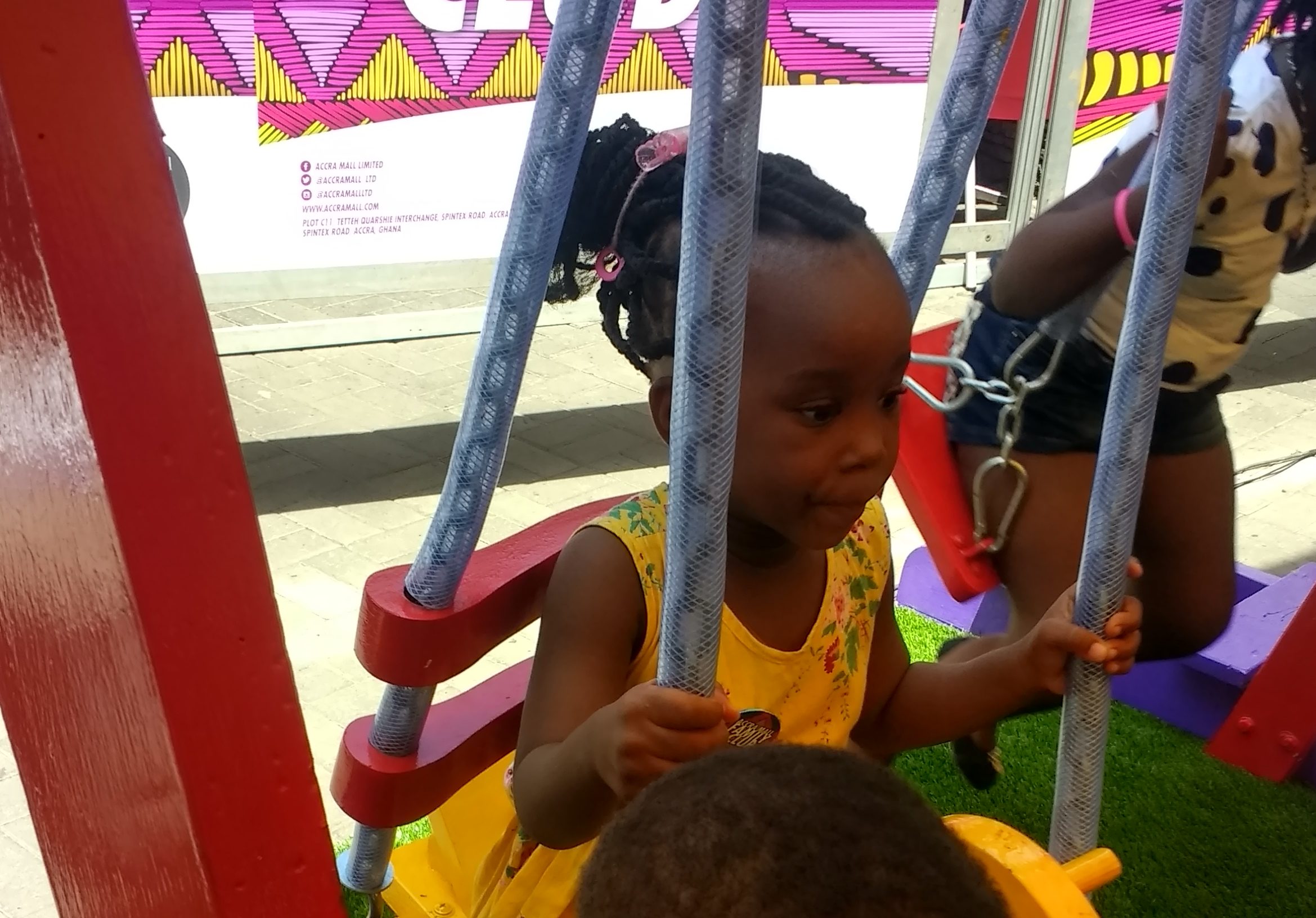
Play-Based Learning in Preschool: Fostering Creativity and Imagination
The shift in early childhood education isn’t just a trend; it’s a revolution in how we understand the developing mind. Moving away from rigid, “teacher-led” instruction toward child-centered, play-based learning is the most effective way to build a foundation for lifelong success.
When children engage in purposeful play, they aren’t just “having fun”—they are honing critical thinking, problem-solving, and emotional intelligence. Research consistently shows that play-based environments foster deep-seated creativity and imagination, providing the essential building blocks for both academic excellence and personal growth.
At Class At Home, a proud Blossom Kids Project, we don’t just understand this revolution; we lead it. As Ghana’s No. 1 Homeschool and Online Learning Service, we turn these educational philosophies into reality for families across the country.

What is Play-Based Learning?
Play-based learning is an approach to education that emphasizes the importance of play in a child’s learning and development. In a play-based learning environment, children are encouraged to explore, experiment, and discover new things through hands-on experiences and activities. Rather than being taught in a formal setting, children learn through play, which is a natural and enjoyable activity for them. Play is a child’s work.
Play-based learning is grounded in the idea that children learn best when they are actively engaged in the learning process. By providing children with opportunities to explore and discover on their own, they are able to develop their critical thinking, problem-solving, and creativity skills. Play-based learning is also an effective way of promoting social and emotional development, as children learn to interact with others and develop important social skills.

Why is Play-Based Learning Important in Preschool?
Preschool is a critical time in a child’s development, as it is when they begin to develop many of the skills that will be important for their future academic and personal success. Play-based learning is particularly important in preschool because it provides children with a foundation for future learning by promoting critical thinking and problem-solving skills, as well as fostering creativity and imagination.
In a play-based learning environment, children are encouraged to explore and experiment, which helps to develop their problem-solving skills. By engaging in hands-on activities and games, children learn to identify problems, develop solutions, and implement them. This type of learning promotes critical thinking skills and helps children to develop a love for learning.
Play-based learning also fosters creativity and imagination, which are essential for a child’s overall development. By engaging in imaginative play, children are able to explore new ideas, develop their imaginations, and express themselves creatively. This type of play also helps to promote language development, as children learn to express themselves through words and gestures.
READ ALSO: Cartoons For Kids
Benefits of Play-Based Learning in Preschool
There are numerous benefits to play-based learning in preschool, including:
Promotes creativity and imagination
Play-based learning helps to promote creativity and imagination, which are essential for a child’s overall development. By engaging in imaginative play, children are able to explore new ideas, develop their imaginations, and express themselves creatively.
Encourages problem-solving skills
Play-based learning helps to develop problem-solving skills by providing children with opportunities to explore, experiment, and discover on their own. By identifying problems, developing solutions, and implementing them, children learn critical thinking skills that will be important for future academic and personal success.
Enhances social and emotional development
Play-based learning promotes social and emotional development by encouraging children to interact with others and develop important social skills. By engaging in cooperative play, children learn to communicate, collaborate, and share with others.
Improves language development
Play-based learning helps to improve language development by providing children with opportunities to express themselves through words and gestures. By engaging in imaginative play, children develop their language skills as they create stories, role-play, and interact with others.
Fosters a love for learning
Play-based learning helps to foster a love for learning by providing children with a fun and engaging environment in which to learn. By making learning enjoyable, children develop a positive attitude towards learning that will carry over into their future academic and personal endeavours.
READ ALSO: Playdough Can Make Your Kids Smart
Conclusion
Play-based learning is a valuable approach to education that encourages children to explore, experiment, and discover the world around them in a fun and engaging way. It is an effective way to promote the development of a child’s social, emotional, cognitive, and physical skills. Through play, children can develop critical thinking, problem-solving, and decision-making skills, which are essential for success in life. Play-based learning can also help children build self-confidence and self-esteem, as they learn through trial and error and gain a sense of accomplishment when they succeed. Overall, play-based learning is a powerful tool for promoting children’s growth and development, and it should be incorporated into early childhood education programs to support the learning and development of all children.
Ready to Transform Your Child’s Education?
Even if you already have a curriculum, a tutor, or a solid system in place, there is always room to grow. Our Online Extra Classes are designed to augment your child’s daily routine with specialized tuition that fills the gaps.
The Socialization Solution: One of the biggest worries for parents is, “Will my child make friends?” Our online sessions connect your child with a vibrant community of peers, fostering friendships and social skills in a safe, digital environment.
Let’s Build a Brighter Future Together
You don’t have to navigate the complexities of modern education alone. At Class At Home, we have the solutions to the challenges you face, delivered with the expertise your child deserves.
Take the next step today:
-
Visit us online: classathome.co
-
Call us directly: 0541317724

 English
 Afrikaans
 Albanian
 Amharic
 Arabic
 Armenian
 Azerbaijani
 Basque
 Belarusian
 Bengali
 Bosnian
 Bulgarian
 Catalan
 Cebuano
 Chichewa
 Chinese (Simplified)
 Chinese (Traditional)
 Corsican
 Croatian
 Czech
Czech Danish
 Dutch
Dutch Esperanto
 Estonian
 Filipino
 Finnish
 French
 Frisian
 Galician
 Georgian
 German
 Greek
Greek Gujarati
 Haitian Creole
 Hausa
Hausa Hawaiian
 Hebrew
 Hindi
Hindi Hmong
Hmong Hungarian
 Icelandic
 Igbo
Igbo Indonesian
 Irish
Irish Italian
 Japanese
 Javanese
 Kannada
 Kazakh
 Khmer
Khmer Korean
 Kurdish (Kurmanji)
 Kyrgyz
 Lao
Lao Latin
Latin Latvian
 Lithuanian
 Luxembourgish
 Macedonian
 Malagasy
 Malay
Malay Malayalam
 Maltese
 Maori
Maori Marathi
 Mongolian
 Myanmar (Burmese)
 Nepali
 Norwegian
 Pashto
 Persian
 Polish
 Portuguese
 Punjabi
 Romanian
 Russian
 Samoan
 Scottish Gaelic
 Serbian
 Sesotho
 Shona
Shona Sindhi
 Sinhala
 Slovak
 Slovenian
 Somali
 Spanish
 Sudanese
 Swahili
 Swedish
 Tajik
Tajik Tamil
Tamil Telugu
 Thai
Thai Turkish
 Ukrainian
 Urdu
Urdu Uzbek
Uzbek Vietnamese
 Welsh
Welsh Xhosa
Xhosa Yiddish
 Yoruba
 Zulu
Zulu