

Developing social and emotional skills in preschool:Strategies for Parents and Teachers
Developing social and emotional skills in Preschool is a critical time for children, which will serve as a foundation for success in their future academic and personal lives. These skills include the ability to communicate, cooperate, and interact effectively with others, manage their emotions, and regulate their behavior. As parents and teachers, it is our responsibility to support children in developing these critical skills. In this article, we will explore some strategies that parents and teachers can use to help preschoolers develop social and emotional skills.
READ ALSO: Homeschooling Curriculum
Developing Social And Emotional Skills In Preschool
One of the most effective ways to promote social and emotional skills in preschoolers is through models of positive behaviours. Children learn a great deal from observing and imitating adults, so it is essential to model positive behaviours such as kindness, empathy, respect, and cooperation. As parents and teachers, we can demonstrate these behaviours by using positive language, listening actively, and showing appreciation for others. We can also model positive behaviours in how we interact with our children and students, such as using positive reinforcement to encourage positive behaviours and setting boundaries and consequences for negative behaviours.
READ ALSO: Meaning Of Preschool

Encouraging Cooperation
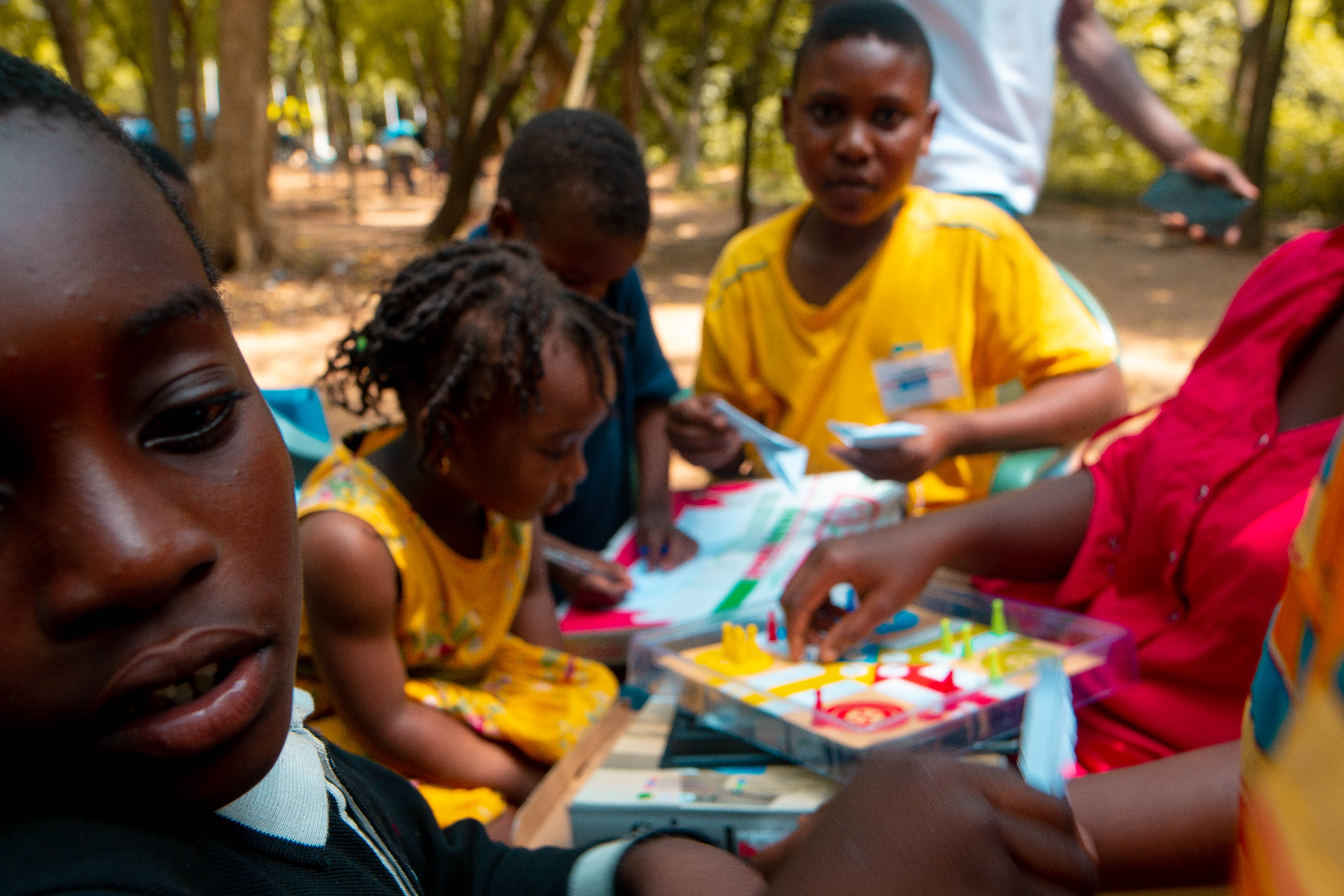
Cooperation is a vital social skill that preschoolers need to develop. Encouraging cooperation can be as simple as teaching children to take turns or encouraging them to work together on a project. By doing this, children learn to share, compromise, and solve problems collaboratively, all of which are essential skills for success in school and life. Teachers can create opportunities for cooperation by organizing group activities or assigning group projects. Parents can encourage cooperation at home by involving children in household chores or allowing them to play games that require cooperation.
Developing Empathy
Empathy is the ability to understand and share the feelings of others. It is a critical social skill that helps preschoolers develop positive relationships with their peers and adults. Developing empathy can be challenging, but there are several strategies that parents and teachers can use. One way is by asking children to put themselves in someone else’s shoes and think about how they would feel in a particular situation. Teachers can also encourage empathy by reading books that explore different emotions or having children act out scenarios that require them to consider how others might feel.

Teaching Emotional Regulation
Emotional regulation is the ability to manage and control one’s emotions effectively. It is a critical skill that preschoolers need to learn as they begin to navigate their emotions and the emotions of those around them. Parents and teachers can teach emotional regulation by helping children identify their emotions and teaching them strategies for managing their emotions when they feel overwhelmed. For example, deep breathing, counting to ten, or taking a break to calm down are all effective strategies for emotional regulation. Teachers can also create a calming corner or provide sensory tools, such as stress balls or fidget toys, to help children regulate their emotions.
Encouraging Communication
Effective communication is a critical skill that preschoolers need to develop to succeed in school and life. Encouraging communication can be as simple as listening actively to children and engaging them in conversations. Teachers can also create opportunities for communication by organizing show-and-tell sessions or encouraging children to ask questions and share their thoughts and ideas. Parents can encourage communication at home by asking open-ended questions and providing opportunities for children to express themselves, such as through drawing or journaling.
Practicing Problem-Solving
Problem-solving is a critical skill that preschoolers need to develop to navigate the challenges they will face in school and life. Practicing problem-solving can be as simple as presenting children with age-appropriate challenges and encouraging them to come up with solutions. Teachers can create opportunities for problem-solving by presenting children with puzzles, brain teasers, or group challenges that require them to work together to find a solution.
READ ALSO: Homeschooling In Ghana
Conclusion
In conclusion, developing social and emotional skills in preschool is crucial for a child’s overall growth and well-being. These skills enable children to form positive relationships, regulate their emotions, communicate effectively, and navigate social situations with confidence. Preschool provides an ideal environment for young children to acquire these skills through play-based learning, peer interactions, and positive teacher-child relationships. Parents and educators must prioritize social and emotional learning in early childhood education, as it lays the foundation for success in later academic and personal endeavors. With continued support and practice, children can develop these vital skills and become socially and emotionally competent individuals.


 English
 Afrikaans
 Albanian
 Amharic
 Arabic
 Armenian
 Azerbaijani
 Basque
 Belarusian
 Bengali
 Bosnian
 Bulgarian
 Catalan
 Cebuano
 Chichewa
 Chinese (Simplified)
 Chinese (Traditional)
 Corsican
 Croatian
 Czech
Czech Danish
 Dutch
Dutch Esperanto
 Estonian
 Filipino
 Finnish
 French
 Frisian
 Galician
 Georgian
 German
 Greek
Greek Gujarati
 Haitian Creole
 Hausa
Hausa Hawaiian
 Hebrew
 Hindi
Hindi Hmong
Hmong Hungarian
 Icelandic
 Igbo
Igbo Indonesian
 Irish
Irish Italian
 Japanese
 Javanese
 Kannada
 Kazakh
 Khmer
Khmer Korean
 Kurdish (Kurmanji)
 Kyrgyz
 Lao
Lao Latin
Latin Latvian
 Lithuanian
 Luxembourgish
 Macedonian
 Malagasy
 Malay
Malay Malayalam
 Maltese
 Maori
Maori Marathi
 Mongolian
 Myanmar (Burmese)
 Nepali
 Norwegian
 Pashto
 Persian
 Polish
 Portuguese
 Punjabi
 Romanian
 Russian
 Samoan
 Scottish Gaelic
 Serbian
 Sesotho
 Shona
Shona Sindhi
 Sinhala
 Slovak
 Slovenian
 Somali
 Spanish
 Sudanese
 Swahili
 Swedish
 Tajik
Tajik Tamil
Tamil Telugu
 Thai
Thai Turkish
 Ukrainian
 Urdu
Urdu Uzbek
Uzbek Vietnamese
 Welsh
Welsh Xhosa
Xhosa Yiddish
 Yoruba
 Zulu
Zulu